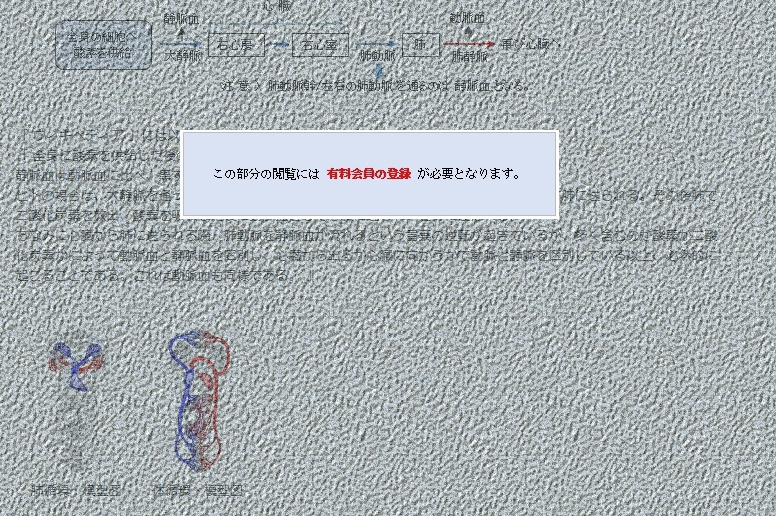
「 Venous blood is deoxygenatedblood which travels from the peripheralvessels, through the venous system into the right atrium of the heart. Deoxygenated blood is then pumped by the right ventricle to the lungs via the pulmonary artery which is divided in two branches, left and right to the left and right lungs respectively. Blood is oxygenated in the lungs and returns to the left atrium through the pulmonary veins.
Venous blood is typically colder than arterial blood,[1] and has a lower oxygen content and pH. It also has lower concentrations of glucose and other nutrients, and has higher concentrations of urea and other waste products. The difference in the oxygen content of arterial blood and venous blood is known as the arteriovenous oxygen difference.[2]
Most medical laboratory tests are conducted on venous blood, with the exception of arterialblood gas tests. Venous blood is obtained for lab work by venipuncture (also called phlebotomy), or by finger prick for small quantities. 」