【概 要】
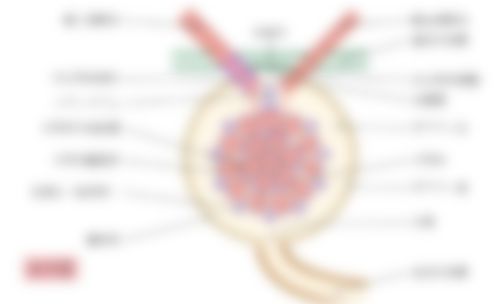
・糸球体毛細血管とは、腎小体の中にあって糸球体をつくる毛細血管で、多数(数十本)のループ状の毛細血管がいくつかの小葉に分かれて房のように集まったものである。血液をろ過する場所にあたる。
・輸入細動脈が分かれて毛細血管のループをつくり、それらが再び1本の輸出細動脈にまとまって、血管極から出ていく。動脈と動脈の間にある特別な毛細血管で、静脈には直接つながらない。
・輸出細動脈の抵抗によって糸球体の中の圧が保たれ、これがろ過の力になる。
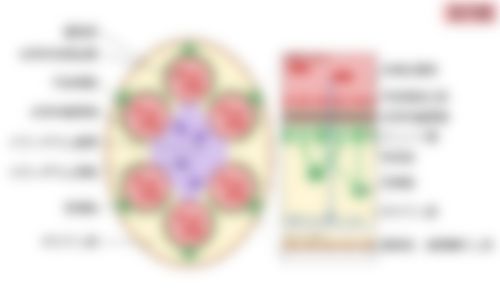
・壁は、小孔(窓)のある内皮細胞でできている。外側は糸球体基底膜で、そのさらに外側を足細胞の足突起が覆う。毛細血管の間はメサンギウムが支えている。
・血液の水分と小さな溶質は、内皮の小孔、基底膜、足細胞の足突起の間のすき間を通ってボウマン嚢のボウマン腔に出る。血球や大きなタンパク質はここを通れない。
・糸球体毛細血管の壁が傷むと、尿にタンパク質や血液がもれ出る(糸球体腎炎や糖尿病性腎症など)。
 この部位の閲覧には会員登録が必要です。
【参考となるサイト】
「 日本人体解剖学 」「 船戸和弥のHP 」
以下は「Wikipedia」の解説文となる。
The glomerulus (pl.: glomeruli) is a network of small blood vessels (capillaries) known as a tuft, located at the beginning of a nephron in the kidney. Each of the two kidneys contains about one million nephrons. The tuft is structurally supported by the mesangium (the space between the blood vessels), composed of intraglomerular mesangial cells. The blood is filtered across the capillary walls of this tuft through the glomerular filtration barrier, which yields its filtrate of water and soluble substances to a cup-like sac known as Bowman's capsule. The filtrate then enters the renal tubule of the nephron.
The glomerulus receives its blood supply from an afferent arteriole of the renal arterial circulation. Unlike most capillary beds, the glomerular capillaries exit into efferent arterioles rather than venules. The resistance of the efferent arterioles causes sufficient hydrostatic pressure within the glomerulus to provide the force for ultrafiltration.
【 語 句 】
・glomerulus:糸球体 ・network:網 ・blood vessel:血管 ・capillary:毛細血管 ・tuft:房(毛細血管の束) ・nephron:ネフロン ・mesangium:メサンギウム ・mesangial cell:メサンギウム細胞 ・filter:ろ過する ・glomerular filtration barrier:糸球体ろ過バリア ・filtrate:ろ液 ・soluble substance:溶けている物質 ・Bowman's capsule:ボウマン嚢 ・renal tubule:尿細管 ・afferent arteriole:輸入細動脈 ・efferent arteriole:輸出細動脈 ・venule:細静脈 ・resistance:抵抗 ・hydrostatic pressure:静水圧 ・ultrafiltration:限外ろ過
■ 写真やイラストを掲載しているサイト ■
・ イラストや写真を掲載しているサイト-Ⅰ
・ イラストや写真を掲載しているサイト-Ⅱ
・ イラストや写真を掲載しているサイト-Ⅲ
・ イラストや写真を掲載しているサイト-Ⅳ
・ イラストや写真を掲載しているサイト-Ⅴ